Hydration Is More Than Just Water: The Mineral Depletion Nobody Talks About
Eight glasses of water a day. You have heard it a thousand times. You might even be doing it. And yet you are still waking up with headaches, cramping muscles, afternoon fatigue that hits like a wall, and skin that looks dull no matter how much you drink. The advice is not wrong. It is just incomplete. True hydration does not happen in your bloodstream. It happens inside your cells. And getting water into your cells requires minerals that chronic stress, heat, and a modern diet are quietly depleting every single day.
What Cellular Hydration Actually Means
Most people think hydration is about how much water is in their body. The more accurate question is where that water is. Intracellular fluid accounts for 60% of the volume of all body fluids and 40% of total body weight. Over 70% of the body's water is stored inside cells, not floating in the bloodstream or the spaces between tissues. This means drinking water does not automatically translate to hydrated cells.
Getting water into cells requires a functioning sodium-potassium pump, an active transport mechanism that uses energy to move sodium out of cells and potassium in, maintaining the precise electrochemical balance that keeps cells alive and working. The NIH confirms that this pump is primarily responsible for regulating the homeostasis between sodium and potassium, and that it requires a significant fraction of the body's baseline energy to operate. When the minerals that power this pump are depleted, water sits in the wrong compartments. You drink more. You still feel dehydrated. Your energy drops, your brain fogs, and your muscles cramp. This is cellular dehydration, and it is far more common than most people realize.
How Chronic Stress and Cortisol Drain Your Minerals
Dehydration in summer is not just about sweating. For women carrying chronic stress into the hotter months, the more significant driver of mineral depletion is the adrenal stress response itself. When cortisol is chronically elevated, it triggers a cascade of mineral losses that go well beyond what a glass of water can replace.
The adrenal glands produce both cortisol and aldosterone, the hormone that signals the kidneys to retain sodium and excrete potassium. When adrenal function becomes impaired through chronic stress, aldosterone production often drops alongside cortisol, accelerating sodium loss while potassium balance is simultaneously disrupted.
The 4 Minerals You Are Losing This Summer
Understanding which minerals are being lost and what they each do is the foundation of actually addressing the problem rather than just drinking more water.
Magnesium is the most critically depleted mineral in chronically stressed women, and also the one with the most downstream consequences. Magnesium is described as the brake fluid of the stress response system. It enhances the calming neurotransmitter GABA, which puts the brakes on cortisol output. Low magnesium leads to increased cortisol release, which depletes more magnesium, creating a physiological loop that worsens with every hot, high-stress day of summer. Sodium is the primary regulator of extracellular fluid volume and is essential for fluid movement into and out of cells. The NIH confirms that sodium homeostasis is maintained primarily through aldosterone acting on the kidneys, and that when this system is disrupted by adrenal stress, fluid balance throughout the body is compromised. Potassium is the dominant electrolyte inside cells and is essential for nerve transmission, muscle contraction, and the sodium-potassium pump that drives cellular hydration. A 2021 review in the Journal of the International Society of Sports Nutrition found that potassium specifically supports intracellular hydration, meaning without adequate potassium, water cannot effectively enter the cell regardless of how much is consumed. Electrolytes including magnesium are also crucial for activating the enzymes involved in ATP production inside mitochondria. Without them, cells cannot produce energy efficiently, which is the direct biological explanation for why mineral-depleted women feel exhausted even after a full night's sleep.
Why Summer Makes Everything Worse
Summer compounds mineral depletion through three simultaneous mechanisms that most hydration advice completely ignores. First, heat directly increases sweat loss of sodium, potassium, magnesium, and chloride at rates that plain water cannot replace. Second, the adrenal glands are already working harder in summer to regulate the body's thermal stress response, increasing cortisol output and accelerating the mineral losses described above. Third, summer lifestyle habits, including more alcohol, more caffeine, more processed foods, and less structured eating, further strip the body of the mineral reserves it is already struggling to maintain.
The adrenal glands regulate sodium, potassium, calcium, and magnesium, the four key electrolytes, and when they are overheated and overworked simultaneously, they burn through those reserves at an accelerated rate. The result is a woman who is technically drinking enough water but is functionally dehydrated at the cellular level, fatigued, foggy, hormonally disrupted, and wondering why summer feels so hard.
Helpful Tips
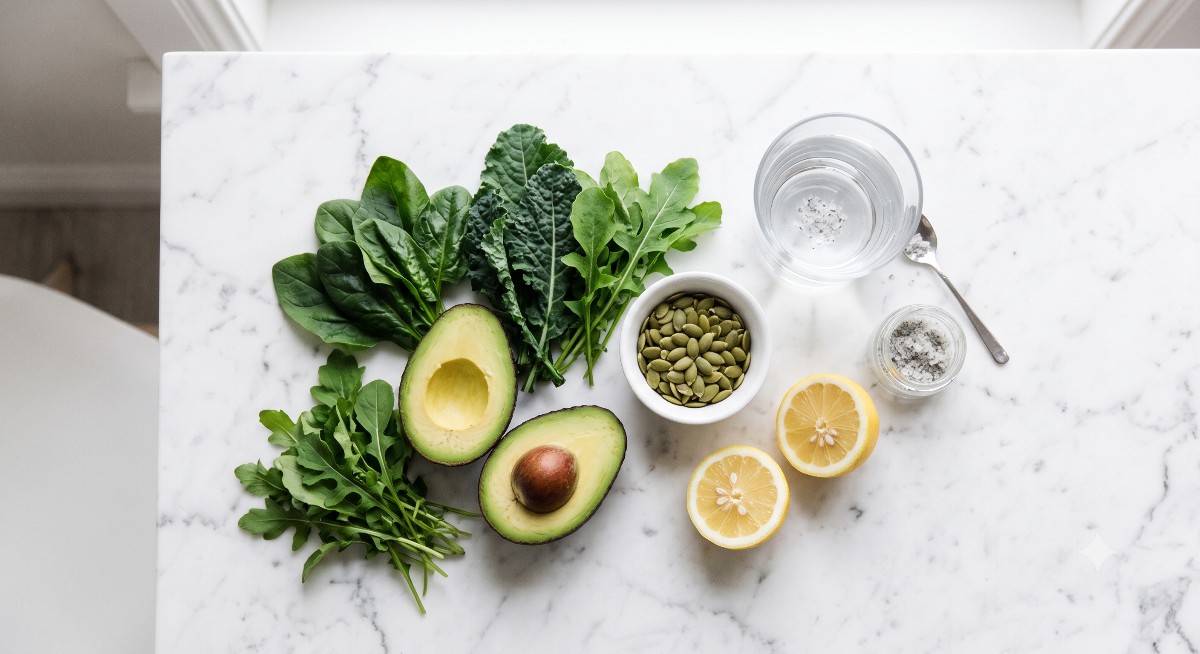
- Stop relying on plain water alone for hydration. Add a pinch of high-quality sea salt and a squeeze of lemon to your morning water to support sodium and vitamin C levels before the day's cortisol curve begins.
- Eat your electrolytes first. Avocado, leafy greens, pumpkin seeds, bananas, sweet potatoes, and dark chocolate are among the most mineral-dense foods available and work far more effectively than most commercial electrolyte drinks, which contain negligible magnesium and poorly absorbed forms of other minerals.
- If you supplement magnesium, form matters. Magnesium oxide has approximately 4% bioavailability. Magnesium glycinate and magnesium malate absorb significantly better and are the forms most relevant to stress recovery, sleep quality, and muscle function.
- Time your hydration intentionally. Drinking large amounts of water at once dilutes stomach acid and can further disrupt mineral balance. Smaller, consistent amounts throughout the day with mineral-containing foods or a quality electrolyte support cellular uptake.
- Get a full mineral panel or hair tissue mineral analysis if you are experiencing persistent fatigue, muscle cramps, poor sleep, or brain fog despite adequate water intake. These symptoms are not personality traits. They are measurable deficiencies.
Here's how you can start making that same shift today.
Our HR90 program is here for when you're ready to build that system we emphasize so much.
Use the link below to book a FREE discovery call:
👉 Book a free discovery call with our team
Take Care,
Zahraa - PHP Team
Founder & Director